It’s been a heck of a last month as Google rolled out several algorithm updates. Combine that with news from the Google’s Search On conference held last week and there is a lot to fill you in on from the world of SEO.
The Latest from Google? Quality Content Continues to Reign Supreme
Google’s latest updates make it harder for low-quality content to rank well in search results across many verticals.
In the last 3 years, Google faced one indexing issue after the other, making frequent algorithm updates to try to combat low quality content. As the amount of content on the internet continues to grow, Google is looking for ways to save their crawl and indexing resources. Low quality content just isn’t going to cut it. Writing about a product you haven’t tried, using boring content, or targeting low-competition keywords isn’t an SEO strategy.
10 Announcements From Google Search On 22
On September 28th Google held their annual Search On event, here’s a recap:
1. Expanded Multisearch
Google is expanding multisearch (search with both images and text at the same time), to 70 new languages in the coming months. Google launched multisearch last year for English and U.S.-based queries.
2. New “Near Me” Feature
Multisearch’s “near me” feature allows users to find products locally with the help of an image. Search the web with your photo. Even better – get local results.
3. Crisper Google Lens Text
Google Lens allows you to point your camera at any text and have it instantly translated. The translated text is now crisper and more blended.
4. iOS App Shortcuts
Google’s search app now has shortcuts, making search, translation, voice search, and uploading easier and more accessible.
5. Refined Search
Search refinements are now integrated with Google’s autocomplete feature (as well as within search results). As you type, Google will present tappable words to add to your query. The top search bar will be more dynamic.
6. Added Visuals
Search will render more visuals for queries than ever before. Destinations, celebs, animals, plant species, etc. will have added visual aspects present in search results, including stories, video clips, tips, things to do, and more, with relevant text highlighted.
7. Explore More
Let’s face it. Sometimes, Google’s results aren’t an exact match with our intentions. So, Google search will offer-up a new explore feature that allows searchers to pivot and take the original search in a different direction.
8. Added Discussion and More Forums
Google is toying with a new feature for the U.S. English users. This will aid in getting information on topics from forums, such as Reddit.
9. Translated Local and World News
Next year, Google will allow users to access local to world news in a translated fashion. Machine translation will provide headlines from across the globe.
10. Expanded “About this result”
Are your search results personalized? Well, you can further look into it by accessing the “about this result” feature. Google will show if the results are personalized at all. Also, you can decide to turn off personalization or modify.
We hope you’ve enjoyed this recap of the Google Search On event. Which new feature are you most looking forward to?
Until next time readers,
Jenny Stradling… er, Weatherall (what, I’m still working on my name change…)
FROM OUR BLOG
Want to take a deeper dive and improve your website content and rankings? Check out:
How to Localize Hispanic Content
Conventional wisdom in business and media has long been to approach the United States as an English-speaking market.
Eminent SEO provides strategic SEO campaigns with measurable results along with expert website design, development, pay per click, content and social media and organic website marketing. 800.871.4130.
Jenny here! In the SEO community big Google algorithm updates create a lot of chatter. I thought I would focus this month’s newsletter on the current algorithm update and provide some insights into quality content development to improve your SEO strategies moving forward. Best of luck!
GOOD TO KNOW IN SEO
On August 19th Google announced a new big search ranking algorithm update named the “Helpful Content Update” (yes, Google named it that) and on the 25th they officially started rolling it out. A big algorithm update like this will likely take 2 weeks to fully roll out. Their goal is to remove content from the search results that was written for the purpose of ranking in search engines but that does not actually help or inform people. The update will “help make sure that unoriginal, low-quality content doesn’t rank highly in Search,” Google added. Um, shouldn’t they have already been focused on ranking helpful, useful and authentic content?
Luckily, we already understand the value in creating content for humans, not engines, and therefore our strategies and websites will likely not be impacted. Also, a lot of people are calling this a core update, it is not. It is an update to a previous core algorithm update, Google Panda, according to Barry Schwartz of SEO Roundtable.
If you are hit, you will need to look at your content and address any outdated, duplicate, spammy or otherwise low quality content. Which, ahem, you should be doing anyways!
Developing a Ranking Content Strategy
So, what defines quality content anyways? Seems easy enough to understand, right? Quality is unique, helpful, maybe even notable? But, what you see when you currently Google most broad topics is a smattering of the same media companies, am I right? It’s as though Google decided that it was fine for the companies with the most money to invest into content development to win every time, despite the fact that most of the articles are written by marketers and are literally just regurgitated versions of the other top ranking articles on the subject.
Sigh.
If this “Helpful Content Update” intends to address that, I am here for it. Yes, we write articles for our clients. However, we work hard to aim for a unique point of view, offer something new to the web and not just rehash information you can find on Wikipedia. However, it can be hard to come up with fresh ideas and still keep up with the volume Google requires to become and remain a ranking authority site.
That said, there are some cool things you can do to stand out.
Here are a few ideas to try:
Show personality
Provide a unique point of view
Subject matter expert reviews
Quotes from relevant authority experts
Marked up, structured data
Custom photos, graphics and video
Original research and data
Thoughtful analysis
Case studies
Real-world stories or examples
Relevant product suggestions
Testimonials
Provide a challenge or action item
Include a thought provoking question to ponder
Offer a deal or freebie
Create an audio version
Look, no one (including now too Google, apparently) cares if you’re an expert at creating another version of what already exists on the internet.
What web users demand is interesting and helpful content from brands they trust. It is not enough to “be good” you have to offer something totally unique, AND, look cool while doing it.
How Eminent SEO Helps the Helpers
Most of our clients are in the service space in some way. We feel privileged to help behavioral health experts, doctors, therapists, lawyers, consultants and other experts share their work online. This algorithm update offers an exciting opportunity to focus on YOUR unique perspective. It’s time to not only highlight your expertise in your industry, but share your personal point of view – the heart of who you are and what your brand stands for.
The team over here at Eminent SEO can work with you to transform your unique thoughts and educational content into the format that is right for your audience… and Google too, of course.
Want to take a deeper dive and improve your website content and rankings? Check out:
I started doing SEO back in 2005 when people were still trying to figure out how to define what search engine optimization means. Of course, most people today still don’t really understand the Google algorithm.
People don’t like being advertised to, and most can sniff out a promotional article from infinite (cyber) miles away. How is it possible, then, to write a blog post or article that ranks well, but does not come off as salesy?
No one ever says, “I wish my website would run slower and register lower in search engine rankings.” If you aren’t keeping up with the latest trends and changes in search engine optimization, those negative outcomes will follow.
Eminent SEO provides strategic SEO campaigns with measurable results along with expert website design, development, pay per click, content and social media and organic website marketing. 800.871.4130.
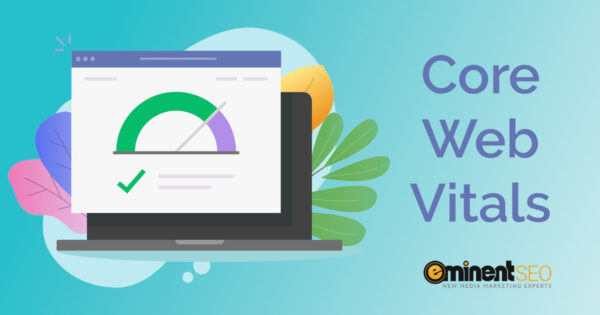
No one ever says, “I wish my website would run slower and register lower in search engine rankings.” If you aren’t keeping up with the latest trends and changes in search engine optimization, those negative outcomes will follow. Google announced its new Core Web Vitals in 2020 and detailed their important role in the user experience, as well as a 2021 integration of the new vitals into search ranking algorithms.
The Three Core Web Vitals
Google assesses your webpage user experience based on many factors, but the three Core Web Vitals carry the most significant weight.
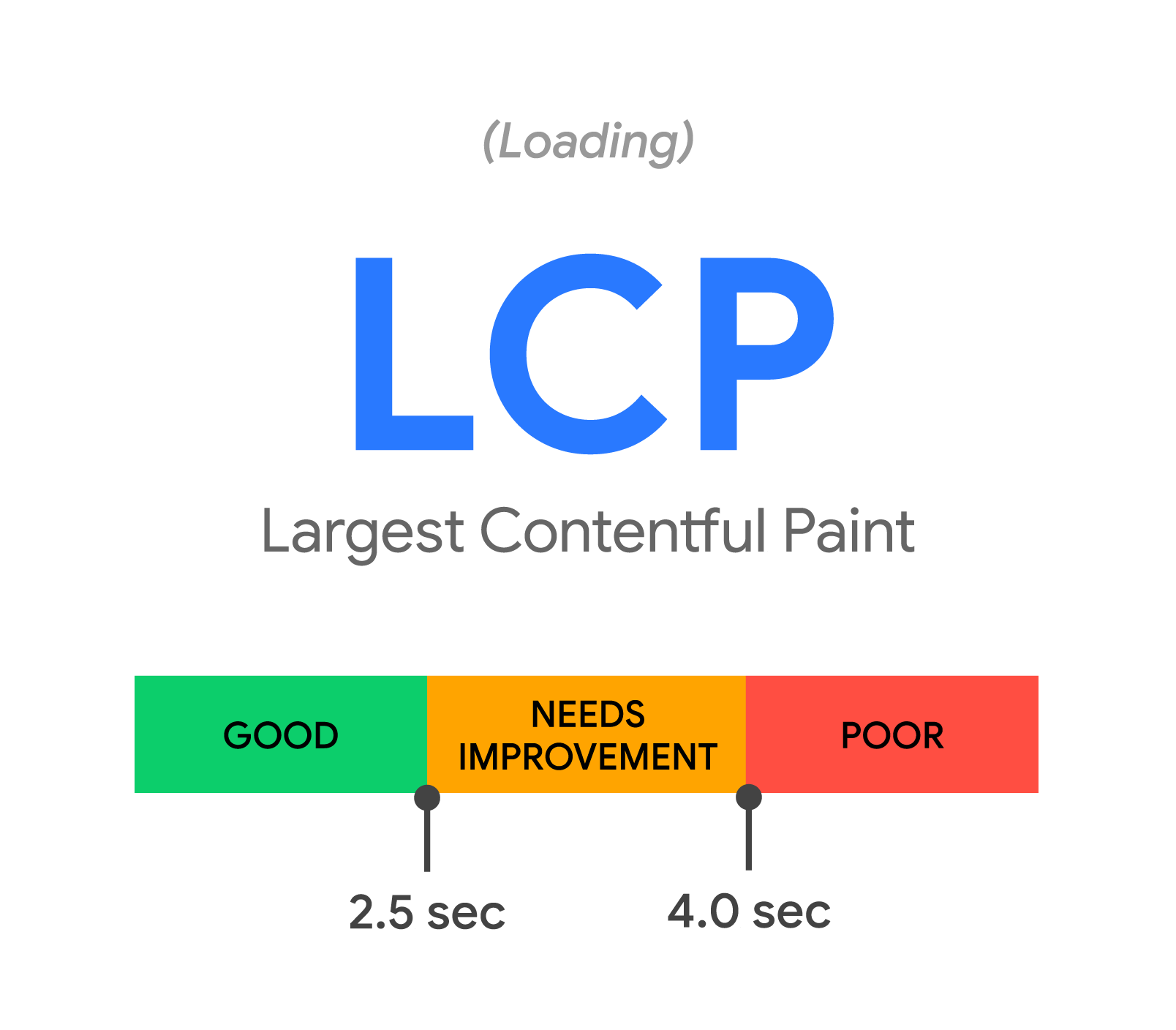
Largest Contentful Paint (LCP)
The LCP designates how long the page takes to load. If the user clicks a link to a page on your site, the time before they see the majority of the page loaded matters significantly for gaining and keeping user attention. If the page isn’t ready to be read and interacted with in a timely manner, a rapid surge in bounce rate follows.
Google expects a page to achieve LCP in 2.5 seconds or less to achieve a good rating. Longer than 2.5 seconds but four seconds or fewer is considered to “need improvement.” Anything longer is considered “poor.”
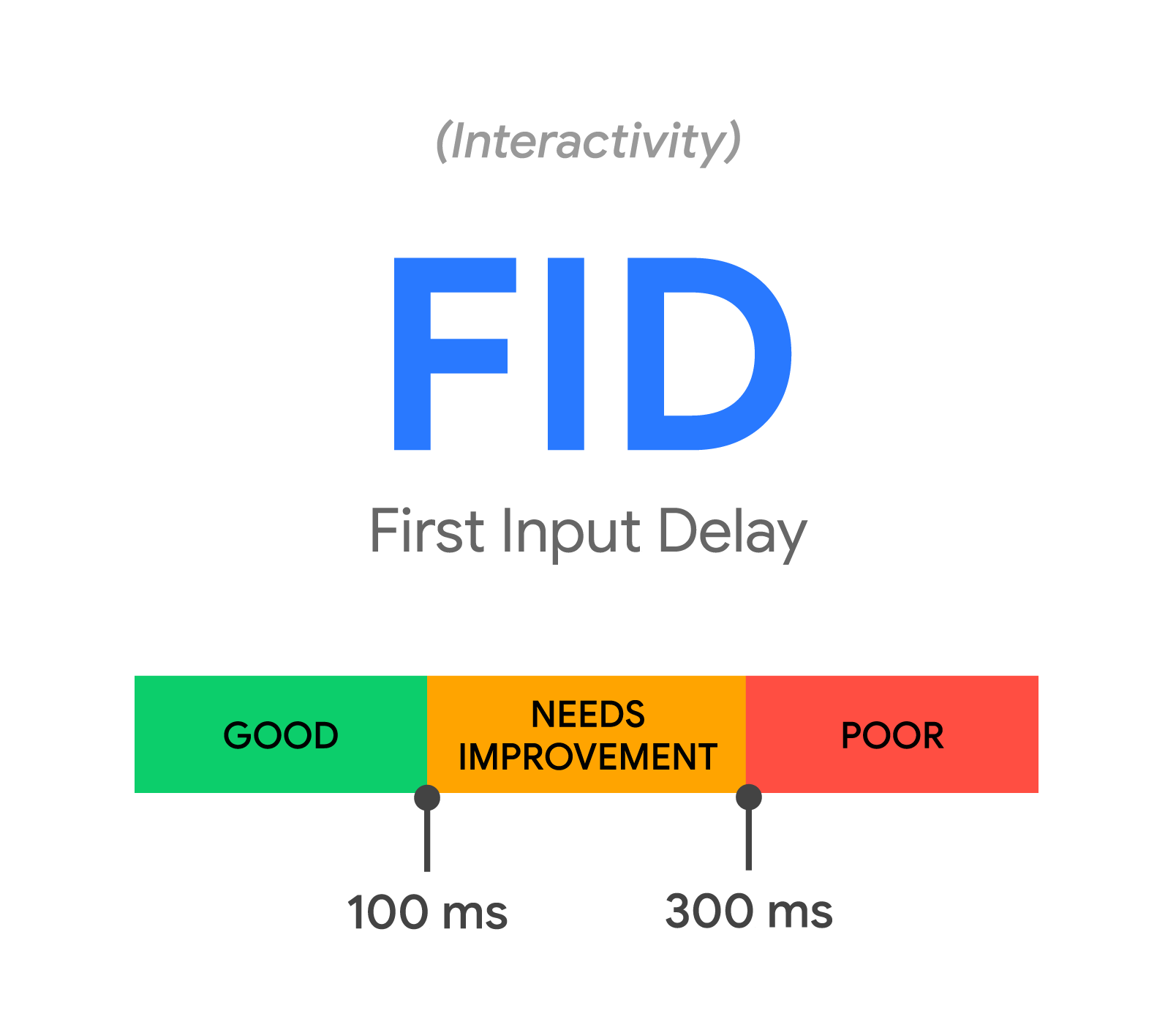
First Input Delay
(FID)
FID is the measure of how long before a user can initially interact with an aspect of the page. This can include selecting an option in the menu, clicking a navigation link, typing in a fillable field, or opening accordion text.
Consider how important FID is for log-in or sign-up pages. Once a page has achieved LCP, Google expects FID to take place within 100 milliseconds to achieve a positive rating. Many pages for log-in or signup have nothing of substance other than those fillable portions. If they aren’t accessible swiftly and efficiently, not only is it a loss in terms of initial bounce rate but consider the ramifications of a business losing a potential sign-up or subscription.
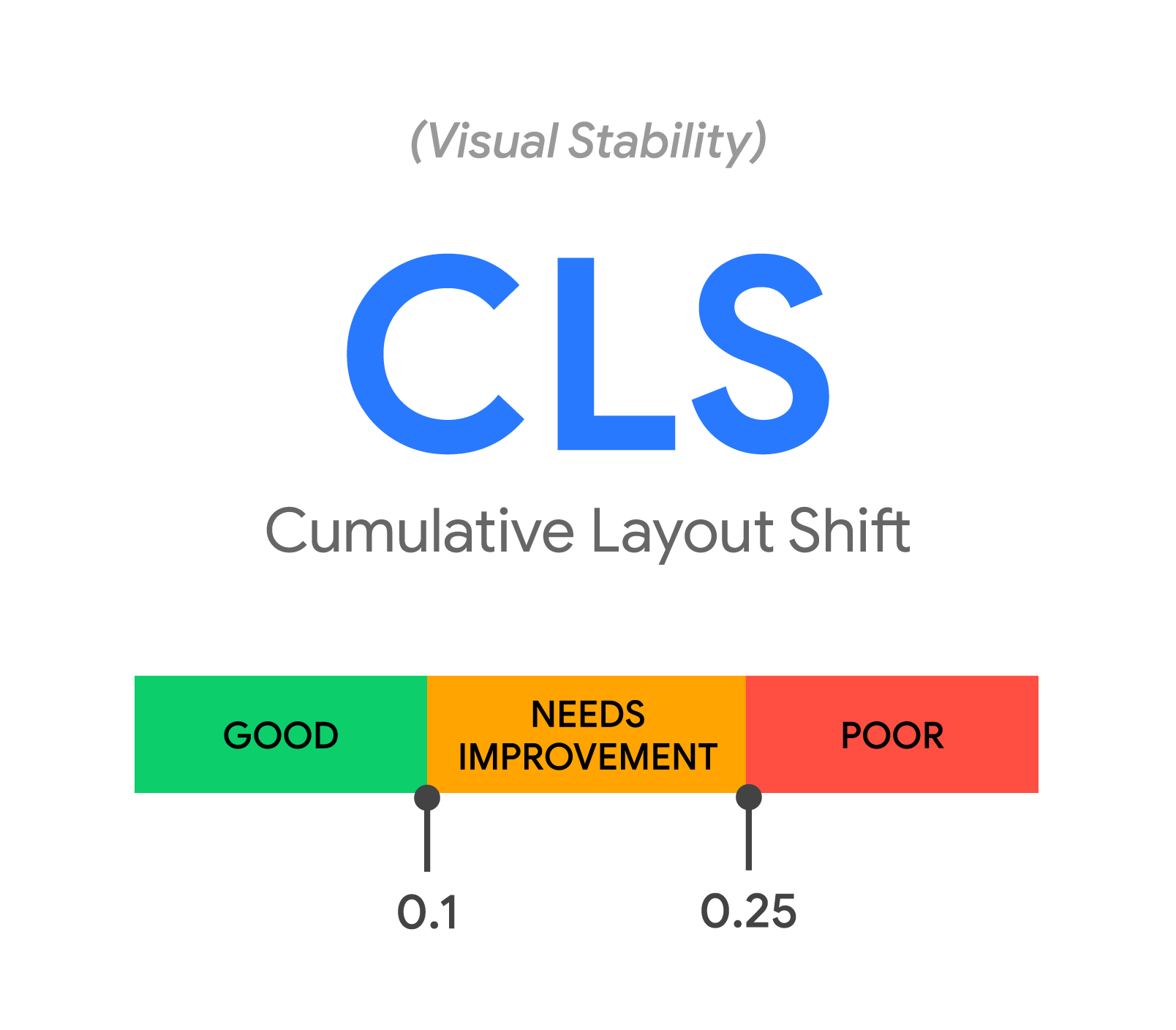
Cumulative Layout Shift (CLS)
CLS is a measure of the stability of a webpage when it loads. As an example of stability, or lack thereof, if a user begins to scroll as the page loads and the page jumps to the top or becomes disrupted by an image causing content to shift, that has a negative impact on CLS. Images and ads, especially popups can make a straightforward webpage experience miserable if content and interactive features shift around.
Why Are Core Web Vitals Important?
The Core Web Vitals have the dual importance of providing a satisfying user experience and providing enhanced SEO discoverability. Google started to use the Core Web Vitals as part of its evaluation of user-friendliness in 2021, and as a result, implemented the user experience into how a website is evaluated for search score.
While page functionality does not outweigh unique, authoritative, quality content, it is important not just for Google ranking but for the customer service aspect. Fast loading pages that are easy to interact with and don’t lose their placement stability during the loading process drive down bounce rates and increase the amount of time spent on the site.
When it comes to SEO, in many ways what Google deems to be important is what is going to be the currency of achieving high search scores. Google selected the name Core Web Vitals and established the timeframes associated with them. They likely aren’t going to cease being an important part of the ranking calculation any time soon. An efficiently designed and functioning website is also important for sustainability and limiting the carbon impact of the servers hosting the site.
How to Improve Core Web Vitals
It’s important to remember when you’re looking to improve your performance with Google, there is no magic bullet. Often a number of small improvements are the key to significant improvements. Below are just some of the ways to improve Core Web Vitals. No single one will make a middling website leap to number one in Google rankings, but all of them can create improvements in site performance. Even small improvements can mean a large impact for revenue-generating sites, like eCommerce.
Optimize Images
Oversized images are a drag on LCP. A quick-loading page keeps visitors interested in pursuing the information they came to your site for, to begin with. Photos don’t need to be in hi-resolution to appear the way they are intended on most screens. Many content management systems today are becoming more effective at proactive optimization, but there are still pitfalls.
Make sure you are only uploading the optimized photo to the site. Don’t upload a full-sized one and then optimize, at risk of dragging down the site by making it downgrade the photo during the loading process. Making your site grapple with oversized images has always been a potential negative, and Google is docking rankings for this reason more than ever.
Specify Room for Images and Features
This is another instance where manual attention paid by the webmaster or developer can make a difference. The CLS impact of not having specified dimensions for images or ad components can lead to the shifting of content Google will consider poor. Code your images with set dimensions for height and width. If using responsive images, make sure to maintain the same aspect ratio for all.
Increase Server Speed
If you’ve been trying to save money on web hosting, it may be costing you in terms of poor performance in the long run. Slow server speeds can impact all of the Core Web Vitals. If you have control over your server hardware, an upgrade could be in order for continued improvement.
Critical CSS Above the Site’s Fold
Strategically optimizing your site’s most visible portions “above the fold” for inline coding and out of the CSS can enhance performance and give the user the perception of a faster overall experience.
Increase the Speed of Third-Party Scripts
Outside scripts can slow your site down. Look for better-optimized options that don’t impede your server or consider whether that particular script is necessary for your site at all.
Browser Caching
If you use a browser cache, it will help your user’s browser. It will navigate the Java Script faster.
The Tools to Test Your Core Web Vitals
Waiting for Google’s impact on your site to become evident or, even worse, waiting to receive negative reviews or feedback from users, isn’t a good practice. You should proactively use available tools to test your site’s Core Web Vitals and start making adjustments as soon as possible.
Google created the concepts behind the Core Web Vitals, so as you may expect, they provide tools to test their veracity as well. There are also plenty of options outside the Google family to evaluate the user-friendliness of your site.
These include:
Chrome UX Report
Chrome DevTools
Lighthouse
PageSpeed Insights
Search Console
Web Vitals Extension
All these tools can evaluate LCP and CLS. FID results vary because of the need for actual user data to be firmly assessed. While simulated “lab data” can evaluate LCP and CLS, the need for actual user interaction to assess FID is the difference.
Other User Experience Factors Google Considers
Just as the user experience isn’t the only factor in how Google evaluates and scores a site, the Core Web Vitals are not the only factors in the experience assessment. Some of the other page experience factors Google pays attention to are:
Functionality on mobile devices
HTTPS
Interstitial pop-ups
Malware
A safe and secure browsing experience has increased in importance for Google’s rankings over the last year. As simple as it sounds, it’s imperative for a developer who spends the bulk of their time living in a website’s backend to also keep the minutiae of the page’s user-facing side top-of-mind as well. Everything to do with the user’s experience on the page matters, but the Core Web Vitals that impact the convenience of initial arrival and interaction appear to have the most weight for now.
As noted earlier, the experience vitals Google measures are far from the only thing being measured. Content is still king when it comes to SEO, and there are more than 200 total factors that come into play when Google ultimately decides how to rank a page in its search results.
If your website has been assessed a penalty by Google that is detracting from the value of your SEO efforts, we can help. Whether you overlooked a key aspect, or the demerit is the result of a misinterpretation of backlinks, user experience, or something else, these can be remedied.
It may also be necessary to disavow bad backlinks. Link building is yet another component of SEO that is complicated but has significant payoffs for improving and maintaining Google ranks. Being linked to is an important part of building SEO, although the process has been taken advantage of by SEO experts and spammers. Don’t let bad links be the cause of your site getting downgraded.
The Importance of Page Auditing
Any time a new digital marketing or other outreach campaign relies on SEO to bring traffic to a webpage, an audit is imperative. If the content isn’t substantial enough or if the design of the page is outdated, then the campaign is behind the eight ball at launch.
The launch of new initiatives shouldn’t be the only time auditing is important for your online real estate. Regular evaluation of your site and all its pages should be standard practice. If your website has suddenly become penalized in search engine rankings, it’s important to find the root. You don’t have to audit your site without help.
Are Core Web Vitals the Future or a Fad?
The metrics used to evaluate Google search scores are always subject to change. What isn’t as quick to change are the ramifications behind needing an improved user experience. Your site will always benefit from quicker loading speeds and easier interaction.
No website should consider itself the exclusive or clear best source of information at the expense of neglecting the user. A quick loading site that doesn’t display content while loading and can be interacted with quickly will engage the audience. Core Web Vitals are the most important part of Google’s means of evaluating the user experience currently and are likely to remain so in some form in the future.
Nayak, J., & Chandwadkar, A. (2021, July). Green Patterns of User Interface Design: A Guideline for Sustainable Design Practices. In International Conference on Human-Computer Interaction (pp. 51-57). Springer, Cham. Retrieved May 29, 2022, from https://link.springer.com/chapter/10.1007/978-3-030-90176-9_8
Nichifor, E., Lixăndroiu, R. C., Chițu, I. B., Brătucu, G., & Trifan, A. (2021). How Does Mobile Page Speed Shape In-between Touchpoints in the Customer Journey? A Research Regarding the Most Trusted Retailers in Romania. Journal of Theoretical and Applied Electronic Commerce Research, 16 (5), 1369-1389. Retrieved May 29, 2022, from https://www.mdpi.com/0718-1876/16/5/77
CEO, Business Consultant, Researcher and Marketing Strategist
Jenny Weatherall is the co-owner and CEO of Eminent SEO, a design and marketing agency founded in 2009. She has worked in the industry since 2005, when she fell in love with digital marketing… and her now husband and partner, Chris. Together they have 6 children and 3 granddaughters.
Jenny has a passion for learning and sharing what she learns. She has researched, written and published hundreds of articles on a wide variety of topics, including: SEO, design, marketing, ethics, business management, sustainability, inclusion, behavioral health, wellness and work-life balance.
Search engine optimization has become a fairly standard concept in the world of digital marketing. Most business owners have at least heard of it, and the ones that are looking to grow their businesses and stay afloat in modern marketplaces employ it on their web platforms. Search engine optimization is a tool for ensuring your business gets ranked by Google and other search engines so that when users search for a business like yours, you make the list.
Because it has become so popular, lots of digital marketing companies and SEO experts have surfaced to capitalize on the need for optimization. Not all of these businesses are trustworthy, and many promise results that are frankly impossible.
As more and more companies begin to offer this service, we think it’s important to understand what makes a good SEO agency and how to choose the right one for your business. After being in the business for over 16 years, we like to think we know a few things about what makes an SEO company effective for its customers.
Here’s what you should pay attention to throughout your business’s SEO journey and some tips for choosing an SEO agency that works for you.
How Do I Choose an SEO Agency?
Before we get into the nitty-gritty of how to choose the best digital marketing agency when looking for an SEO firm, it’s important to mention that SEO agencies should not be treated differently than any other business. You have to look at a business holistically and determine if it aligns with your company’s morals, standards, and outlook. It doesn’t matter what kind of work it does, if you don’t get a good impression from the company, if you feel put off by their team’s communication style, or just don’t like the personnel, it’s important to trust that instinct. Just because they have talent in an important area of the tech and marketing world doesn’t mean that you should ignore their behavior. Hold them to the same standards you would any vendor, B2B partner, or prospective employee.
Examine Their Experience
When beginning to look at the technical aspects of an agency, you’ll want to start by looking at its experience. Make sure you know how long the company has been doing SEO work, how many clients it’s had, and what kind of businesses it’s worked for. A lot of agencies will likely attempt to brag about awards or projects. While those things may be able to break the tie between companies you’re considering, the experience should ultimately be most important. An agency that has worked in the industry for a while knows its ins and outs, has been a part of process and innovation, and has been able to troubleshoot on a website that isn’t yours. That’s what you want to see.
Assess If They’re Realistic
SEO is a powerful tool, but it isn’t magic. One of the best tips for choosing an SEO agency is to judge whether what they’re claiming is possible. If they tell you what they can do for you without knowing anything about your site, your needs, and your plans for the collaboration, they’re likely bluffing. You can expect that someone who makes blind claims is being fantastical and not at all realistic. Also, be wary of guarantees. Honest companies will tell you that they can help you improve. Companies that aren’t realistic will tell you they can guarantee page hits or first-page rankings. The reality is that SEO doesn’t allow for guarantees, and if a company claims it can provide them, it’s lying.
Check References
Just as you would when hiring an employee, you’ll want to check out the agency’s references. If the agency is professional and honest, it’ll have a list of past clients to give you so that you can find out more about its working relationships. Call a few of these references and chat with them about their experience with the SEO agency. Determine some critical elements of a working partnership and ask about them. For example, is efficient communication important to you? If so, ask the references how the agency handled back and forths, how quickly it responded to inquiries and issues, and if it was able to help with problems after the project was done. Just because an agency worked with a company does not mean the company had a good experience. You want to be sure that you are getting what you want.
Look at Their Portfolio
A good SEO agency will have a portfolio of websites that it’s worked on for you to look through. The team may have before-and-after examples of the tactics used and be able to highlight the changes made in website traffic or rankings. Take in all this information, but make sure to fact-check it yourself. Many experts are counting on the fact that you don’t know what you’re doing, and they do. Check out a previous client’s search engine marketing (SEM) ranking to be sure that changes happened because of the SEO updates. Do searches to make sure that websites they claim will come up on first or second pages do.
Part of looking at an agency’s portfolio is making sure that you appreciate their work. If there are typos or the work feels sloppy or off-brand for your agency, it may make sense to look elsewhere. While some aesthetic decisions are certainly on the client to control, things like links, page buttons, etc., are changed and controlled by the SEO agency. If you don’t like how their work looks throughout their portfolio, look elsewhere.
Awards and Certifications
There is no one answer to the question, “What makes a good marketing agency?” However, there are ways you can determine that an agency is good without knowing much about SEO. If it’s received awards or certifications from reputable places, it’s an indication that the agency’s work is effective and comprehensive. Rating and award systems aren’t perfect, so this certainly shouldn’t be the only criteria by which you make your decisions. However, it’s a significant bench marker if you’re feeling lost or stuck between two choices. Do make sure the awards are relatively recent, as SEO changes frequently. Just because a company won an award in 2015 doesn’t mean its methods are still effective.
Word of Mouth
Word of mouth is far more important than awards and certifications because there is no elitism or technicality involved. Hearing from a business partner or colleague that an SEO agency has done good work is incredibly valuable. This information is especially useful if they can pinpoint why they believe an SEO company is a good pick. If it’s because they like to shoot pool with one of the marketers, then it may not be a reliable recommendation. If it’s because they believe that the SEO work improved website traffic and business and can express what was done, it’s likely a good sign. If you couple a word-of-mouth recommendation with good references, you’ve probably found a great agency.
What to Avoid When Searching for an SEO Agency
Now that we’ve gone over the question, “What makes a good marketing agency?” it’s time to discuss red flags to look for during your search. Sometimes an agency is overall not a good fit, and it’s easy to see that. Other times, an agency seems excellent overall but has one or two bad traits that should keep you looking.
Here’s what to avoid when you’re considering agencies:
Tricks
Lots of SEO agencies rely on the fact that their customers don’t really know very much about SEO. If an agency tells you that it has tricks or special methods that help it achieve better results than others in the industry, run the other direction. SEO is not some top-secret formula that’s hidden from the rest of the world. Tactics are always out in the open, and an agency’s job is to implement them effectively. Claiming to have a trick up their sleeve indicates that an agency is not honest. Even if you were to see results from them, they’d likely be extremely short-lived and not worth your money.
SERPs
Not trusting search engine results pages is counter-intuitive when it comes to SEO. You might think that the top-ranking websites will show up at the very top of a Google search for “SEO agencies.” However, this is not the case. Appearing at the top of a Google search result is no small feat and requires an incredible amount of time, energy, and money. If you see an agency at the very top, they’re likely spending more time optimizing their website than they are spending on their clients. As we stated above, word of mouth is an excellent indication of good business. If an SEO agency is getting consistent business, it’s common to focus on improving clients’ SEO and relying on word of mouth and references rather than taking time and money to work on their own SEO.
Ranking Lists
It’s generally a good idea not to trust ranking lists. These “listicles” are often paid for and are easily influenced by a check or free samples. Even if there was no bribery involved, the people writing them likely relied on SERPs to get their information. They didn’t put in time or research into seeing if the results were comprehensively accurate.
Is It Worth It to Hire a Marketing Agency?
After all this, you may be asking yourself if it’s worth it to try and find an SEO agency at all. The answer here is yes. SEO is a potent tool and can really affect the success and profitability of your business. The key is to do it correctly. Unless you have an expert on staff, you should hire an agency. If you’re going to hire an agency, you should invest in a good one. This information is not meant to discourage but to ensure that when you begin the SEO process, you can do it with the right agency by your side. After almost 17 years in the business, we’ve seen some real scams and poor SEO by other agencies, and we don’t want that to happen to you.
Contact Eminent SEO
There’s not a magic formula for picking the best SEO agency for your business. Having to choose a firm for something that may be new to you can be overwhelming. However, marketing is marketing – and we’ve been doing that for years.
We might be biased, but we are very proud of the SEO work that we do. We have been operating for almost two decades on honesty, integrity, communication, and quality work. We continually learn and grow in our craft and are proud to share it with some truly remarkable businesses. Contact us via our website if you want to see what we can do for your company, but no matter what agency you hire, make sure you know it’s a good one.
President and SEO Strategist
Chris has over a decade and a half of website development, SEO and organic link building experience. He manages the strategy for each client and drives the search engine rankings and traffic Eminent SEO is known for. When you hire Eminent you hire Chris, which means you have a veteran organic search expert on your team. Oh, and he’s funny too!
As we dive headfirst into 2021 here is what you need to know about the changing digital landscape if you’re a business owner or marketer….
Marketing Tips & News
Good to Know in SEO
In December, 2020 Google rolled out their first core algorithm update in 7 months.
Why we care? Whenever Google updates its algorithms, it means that your website can do better or worse in the organic search results. Knowing when there is a major Google algorithm update gives us a date to point to in order to understand if it was something we changed on the website or something Google changed with its ranking algorithm that requires us to modify our strategies.
Social media has taken on greater significance for consumers and marketers as 2020’s events have forced more digital communication, but the ways of using it are evolving.
Why we care? Planning content and marketing strategies looks a little different than in previous years. While it’s true that change is constant in marketing, 2020 shook up the industry so dramatically that many marketers are now revisiting everything from target buyers to user experiences and even their brand purpose.
Why we care? We’ve all been warned that identity verification was going to be coming to Google Ads since March 2020, and yet it’s beginning has been a little shocking. Google Ads’ poor wording of their email to paid ad managers made it seem like they would be showing the full name of the individual – which is very concerning for agencies – who are working on multiple Google Ads accounts, along with the personal privacy for anyone creating ads through the platform. It was later clarified that only the name of the company whose ad it is will show, along with their business location.
Eminent SEO provides strategic SEO campaigns with measurable results along with expert website design, development, pay per click, content and social media and organic website marketing. 800.871.4130.
We share up-to-date facts, stats and tips about SEO… from our expert SEO team in our new series: #SEOin2020
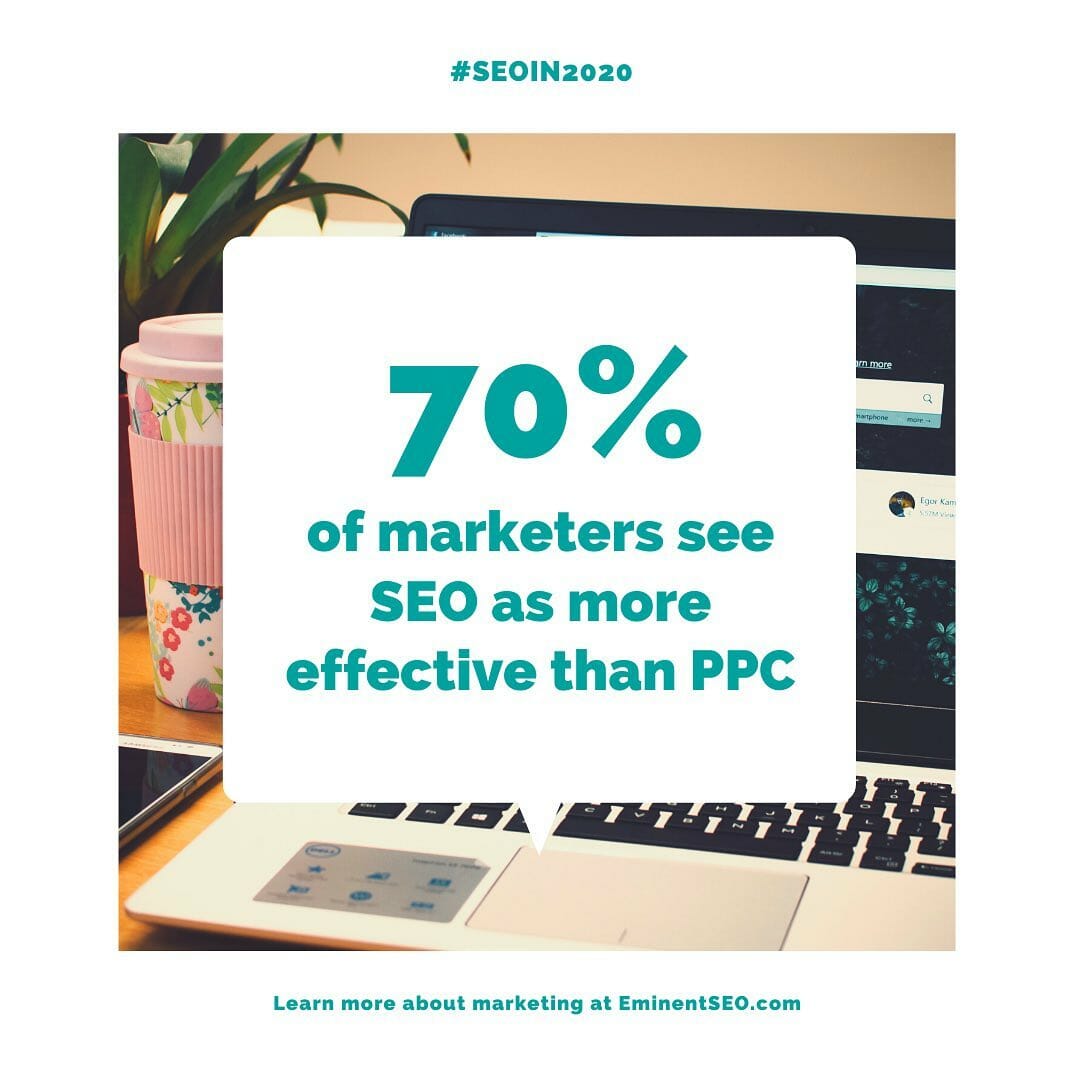
SEO vs PPC
With digital marketing becoming more mature, it’s no surprise that companies are continually getting better at SEO — and seeing more results from SEO efforts than from PPC.
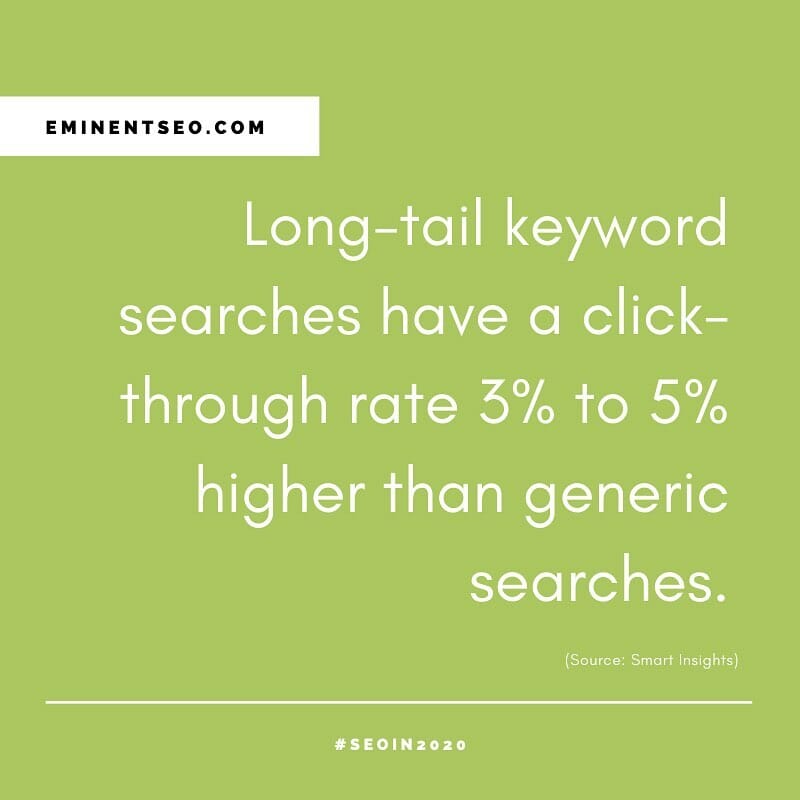
Long Tail Keywords
While most searchers aren’t seeking out one- and two-word terms, they’re searching phrases that are four words or longer.
They’re looking for specifics.
Your content needs to reflect this.
Local
If you’re a business that depends on local traffic or has a limited service area, this is key.
Local SEO tactics are important for smaller businesses that might not be blogging or creating a ton of content. Make sure your site is in the appropriate registries and all of your information is up to date.
Backlinks
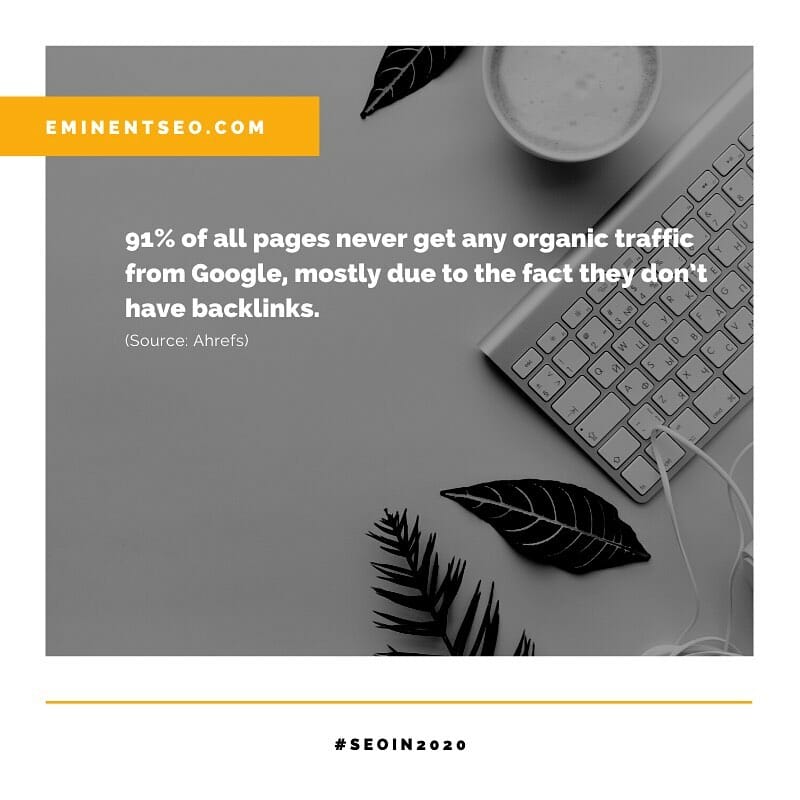
A study by Ahrefs looked at two million websites and found some pretty interesting data. While the word count factored into how a site ranks, it’s the backlinks that matter more.
Quality Content
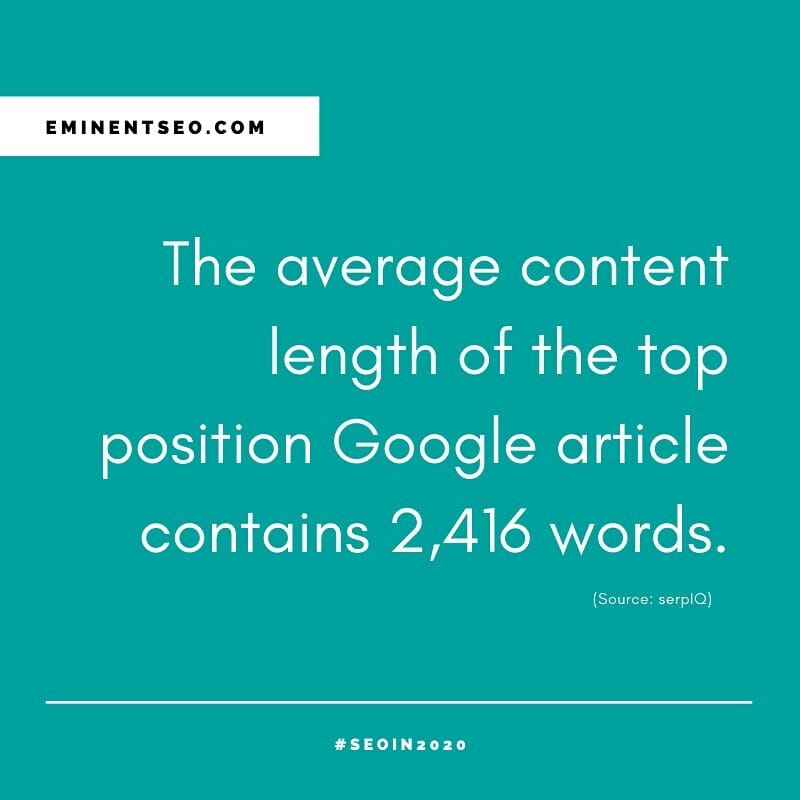
How long does good content need to be? Enough to fully answer your buyers’ questions.
But if you want that good content to rank well, aim for the 2,000+ word mark.
The more you write, the better informed your readers will be, the more you can show your transparency and honesty, the higher opportunity you’ll have to link out to other reputable sites, and likely the more backlinks you’ll receive.
From Astrology to Zoology, we scratch every content niche.
All of your content needs can be handled in one easy and lightning fast place. Our writing services are going to be available through an automated ordering system soon.
Get updates on the launch and special discounts here, and only here!
How Quality Content is Key to an Effective SEO Campaign
I started doing SEO back in 2005 when people were still trying to figure out how to define what search engine optimization means. Of course, most people today still don’t really understand the Google algorithm. The people at Google don’t even understand it, so don’t feel bad if you “don’t really get it”.
Eminent SEO provides strategic SEO campaigns with measurable results along with expert website design, development, pay per click, content and social media and organic website marketing. 800.871.4130.
Turn Existing Relationships into Link Building Connections
If you’re a small business owner, you’re going to have to lean on existing relationships – personal, professional, etc. – to help get your business off the ground.
This rings true for launching your own website and trying to get it to rank on search engines. Links from other websites are going to be crucial to helping you achieve the rankings you desire, no matter how great of a writer you might be.
Have you thought about using your existing relationships to land coveted links from other sites? With closer relationships, it could be as easy as asking and receiving.
In other instances, you may have to nurture your relationship with that contact. You might even offer them something – such as a positive online review – ahead of asking for a link from their site.
No matter what, don’t overlook any relationships you already have when it comes to link building for your small biz website.
''Link building is all about establishing relationships, and if you already have a relationship with someone, then the first step is done.'' - Chris Weatherall, President of Eminent SEO @eminentseo #linkbuilding
President and SEO Strategist
Chris has over a decade and a half of website development, SEO and organic link building experience. He manages the strategy for each client and drives the search engine rankings and traffic Eminent SEO is known for. When you hire Eminent you hire Chris, which means you have a veteran organic search expert on your team. Oh, and he’s funny too!
With all of the changes to the organic search results over the last couple of years, pay per click (PPC) advertising is as important as ever in the digital marketing world. An effective PPC campaign will both support and enhance your overall marketing efforts while helping you achieve a solid, measurable ROI.
Here are some quick tips to help with your PPC marketing:
Tip 1: Don’t underestimate the value of keyword research. Keyword research is the core structure of the overall PPC campaign.
Tip 2: Write compelling ad copy. Explain what makes your company different. You have two description lines to explain your offer and the advantage you offer over the competition.
Tip 3: Test landing pages. Perform A/B or multivariate testing on your landing pages to find out which content converts the best.
Tip 4: Pay attention to analytics and keep testing. Review CTR and other metrics regularly to be sure you’re not throwing money away on ads that aren’t working.
Tip 5: Use PPC data to aid your organic SEO strategies. PPC and organic SEO don’t have to, and shouldn’t, exist in isolation. The lessons you learn in one campaign might help you with another.
Get More Details on These Tips and See Additional Ones:
More Advice on Effective PPC Campaigns from Our CEO
@eminentseo
@eminentseo
''Most platforms have become pay to play in one form or another, even Google. Do a search for a product or service and look at the types of results you get. More than likely, you will see multiple paid ads first in the results.'' - @dayofjen #PPC.
In addition to following the 5 steps listed above and in our free eBook, the following reads will help boost your understanding and execution of PPC campaigns even further.
The ‘Pay to Play’ Era of Digital Marketing Strategies
President and SEO Strategist
Chris has over a decade and a half of website development, SEO and organic link building experience. He manages the strategy for each client and drives the search engine rankings and traffic Eminent SEO is known for. When you hire Eminent you hire Chris, which means you have a veteran organic search expert on your team. Oh, and he’s funny too!
As Google, Facebook and the other popular platforms continue to change the terms of their advertising services, many who have previously overlooked organic marketing are now asking, “Can I use SEO instead? How long does SEO take, and is it worth it?”
Let’s start by talking about what SEO is – and also, what it’s not.
What Is SEO?
SEO, or Search Engine Optimization, is the practice of optimizing your content (website, social platforms and ads) for the search engines. We consider SEO an umbrella term for a number of different services and tactics. Primarily SEO is considered:
Keyword Research and Competitive Analysis
Before any target keywords are selected, research must be performed. If you are going to optimize your website and outrank your competition, you must understand them first. In-depth competitive and market analysis should drive the SEO strategy.
On-page SEO and Content Optimization
Each buyer type and stage of the buyer’s journey should be considered first when developing the website and content strategy. Keywords should then be incorporated into well-written content and metadata. That’s not all, though: On-page SEO is highly technical and includes everything from fast load times to internal linking.
Off-site SEO and Link Building
Link building or link earning, call it what you will, means SEO isn’t just limited to what you can control on your website. Off-site SEO is equally, if not more, important. The process of link building is very in-depth, but in a nutshell, the goal is to get other relevant and reputable websites to link to yours. Links act like votes, and how many, where and whom they come from matters.
Testing, Reporting and Analyzing
Because Google is always changing, so too is SEO. The fundamentals are the same, but the specific tactics, tools and applications are always changing.
Luckily, SEO is a data-driven marketing method, and almost every component can be tracked, tested and reported on. By analyzing the data, you can make changes based on user behavior as well as the search engines.
What Is NOT SEO?
Although SEO is a lot of things, it’s also NOT a substitute for:
High-quality website designs
Branded videos and images
Interesting content for the users
Products consumers want
Great customer service
A positive brand reputation
Trained sales professionals
All of these are needed to have a successful SEO campaign. It’s all connected.
How Long Does SEO Take to Start Working?
This is maybe the No. 1 question we have received over the last 13 years or so of doing SEO. And, the answer is always the same: It depends.
Not what you wanted to hear, right?
But, it does depend on a number of different factors, including:
Age of domain and website
Number of current pages indexed by Google
Current rankings
Existing website content and digital assets
Information architecture and blog categories
Indexed website backlinks
Social media channel following
Existing competition and their websites and digital marketing strategies
Budget
If you come to us with a new website, hardly any content indexed, very few rankings, an outdated design, no digital assets, a sloppy navigation, no blog optimization, low social channel followers and heavy competition, depending on your budget, I will tell you it’s going to take at least six months – maybe a year. SEO is a long-term strategy, and you have to put in the work. It takes time to gain authority with Google. You can’t fake that.
However, if you come to us with a decent website and some of the foundational work done, we can speed up the process and rank a site in as little as two to three months.
It all depends.
If you have very little competition, if your keywords are under-marketed, if your competition isn’t spending a lot on SEO – all of these variables work in your favor.
Real SEO Case Studies
Since it all depends, it’s best to look at some real-world examples to see what is possible.
SEO Case Study #1: Transitioning from Google Ads to an Organic SEO Strategy
In October of last year, an addiction treatment center came to us with a huge Google PPC ad budget and a cost per admit that was higher than the price of treatment. We switched them to an SEO strategy right before the big Google AdWords smackdown, and now look at the data.
This SEO traffic would have cost $200K. We saved them hundreds of thousands of dollars per month on paid ads, and their ongoing SEO campaign is a fraction of the cost with a higher conversion rate.
SEO Case Study #2: Big Gains in a Competitive Niche
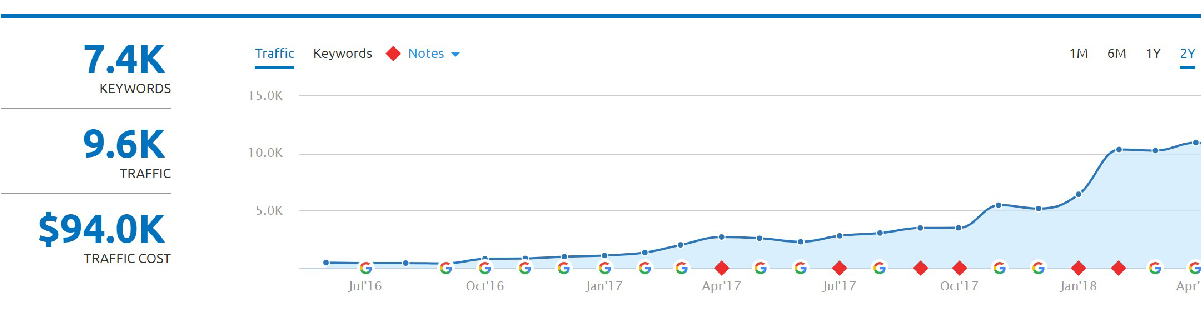
This client has been with us for a few years now. He also had a Google ad budget running and wanted to slowly transition from paid ads to organic SEO. He knew SEO would take time, so he continued to run Google ads while our team worked on the website SEO.
By staying true to the course, his website now dominates for all of the top terms in his niche and he no longer has to spend any money on paid ads. His organic traffic is estimated to cost almost $100,000 dollars a month if he were still bidding on paid ads. The cost of SEO is a small fraction of what the paid ads would cost.
SEO Case Study #3: New Domain and Website and Small Budget
This client came to us as a new brand. Their goal was to get online and start producing results through digital marketing. They were open to paid ads, but their industry is very limited on what they can advertise on, driving up the cost of the terms you can bid on. Due to their budget constraints, we started with SEO only.
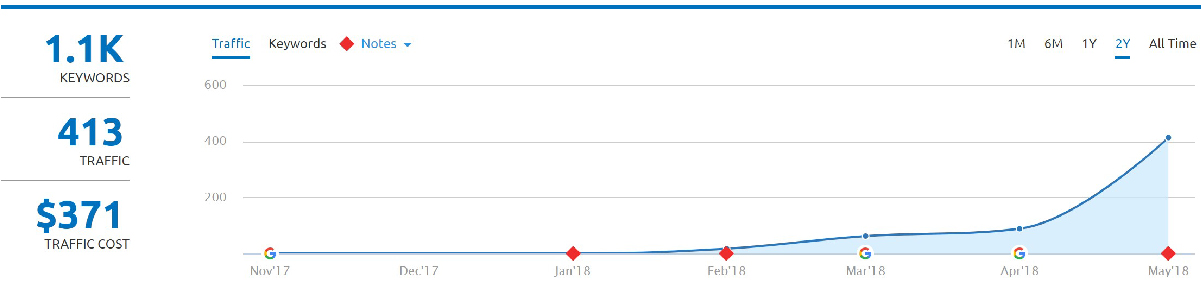
In only three short months of a small-scale SEO campaign, we have climbed to more than 1,000 ranking keywords, showing it is possible to get organic rankings on Google in a short period of time. Of course, the site is also beautifully designed, and we’ve implemented expert SEO.
Is SEO Worth Investing Into?
Let’s talk financial investment. All marketing costs money. The key to success is to be smart about the long-term strategy. If you simply throw all of your marketing dollars at short-term gains, you’ll miss out on an awesome opportunity to develop a marketing channel that will provide a substantially higher return on your investment in the long run.
For example, let’s say you have a set marketing budget. Over the first three to six months, you may see little monthly ROI. However, over the course of the full year, when you take your total sales and total marketing expenses, SEO generally produces anywhere from a 300 to 3,000 percent return on investment. That’s HUGE! Any investor’s dream!
Being Patient
The problem is, many new businesses didn’t plan for this, and when SEO doesn’t produce an immediate ROI, they become uneasy and turn to Google or Facebook for paid ads.
Google has been a powerful ad platform for many simply because it’s a search engine and buyers are asking for specific products or services – placing them much further along in the buyer’s journey. Problem is, some people can’t afford to pay the high cost per click, and some industries are even blocked from bidding on relevant terms unless they pass a difficult certification process.
Facebook, on the other hand, is at a higher point of the sales funnel. Prospects are simply scrolling through their social feed and minding their own business when an ad pops up. It doesn’t take an expert to guess that Facebook ads are harder to convert. They are definitely more affordable than Google ads, but unless you sell a product that has a social message, the click-to-website conversion rate can be less than desirable.
Then, there’s SEO. Just like with Google ads, the buyer is already searching for the product or service. But, unlike paid ads, when a user clicks your listing in the organic search results, it doesn’t cost you any more or less. Just one click on a paid ad can cost between $3 and $5, all the way up to $300 to $500, depending on what industry you are in. If that visitor doesn’t convert, you may have just wasted hundreds (if not thousands) of dollars!
The Long Play
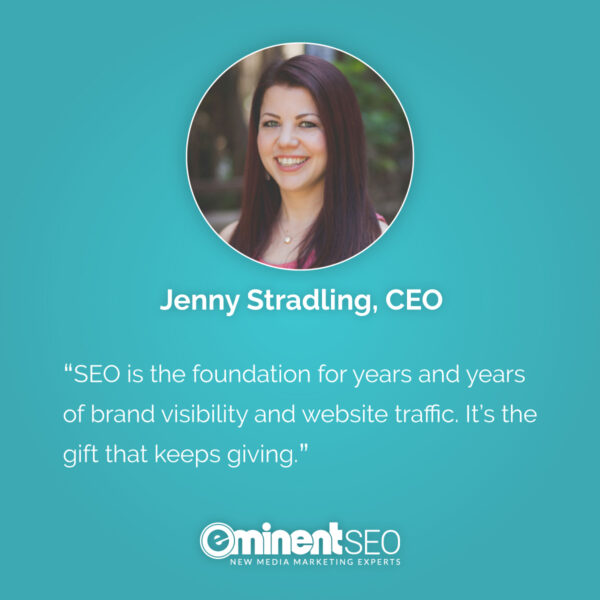
SEO isn’t just about saving money on ads though. SEO is the foundation for years and years of brand visibility and website traffic. It’s the gift that keeps giving. Once you achieve a certain age and trust with Google, you can add new content to your site and rank it almost instantly.
And, another benefit? The leads are better. Just ask anyone who has run both SEO and paid campaigns which leads convert better, and they will tell you that SEO leads, every time.
Conclusion
When you really take the time to weigh the pros and cons, it’s pretty clear that SEO is a marketing channel worth investing into. Yes, it takes time…but honestly, all ad channels take time.
What sounds more strategic to you? Dumping thousands of dollars into paid ads that provide short-term gains with no residual return? Or, investing into SEO, which has proven to provide long-term value for companies through residual gains for years on end?
CEO, Business Consultant, Researcher and Marketing Strategist
Jenny Weatherall is the co-owner and CEO of Eminent SEO, a design and marketing agency founded in 2009. She has worked in the industry since 2005, when she fell in love with digital marketing… and her now husband and partner, Chris. Together they have 6 children and 3 granddaughters.
Jenny has a passion for learning and sharing what she learns. She has researched, written and published hundreds of articles on a wide variety of topics, including: SEO, design, marketing, ethics, business management, sustainability, inclusion, behavioral health, wellness and work-life balance.
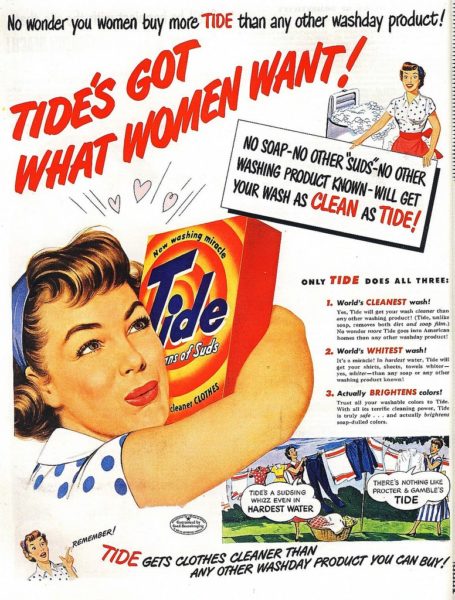
Marketing has been transforming businesses for ages, since way back in the 1960s when advertising strategies stemmed from one simple creative idea that transformed small businesses into huge, recognizable brands today. Back then, creative advertising teams focused less on the research and more on creativity.
1960s Tide Ad: vs. 2018:
Needless to say…things have changed. Not that marketing is no longer creative, but it’s just way more complex. And we have to educate kids on not eating Tide pods rather than selling the products. Enough said.
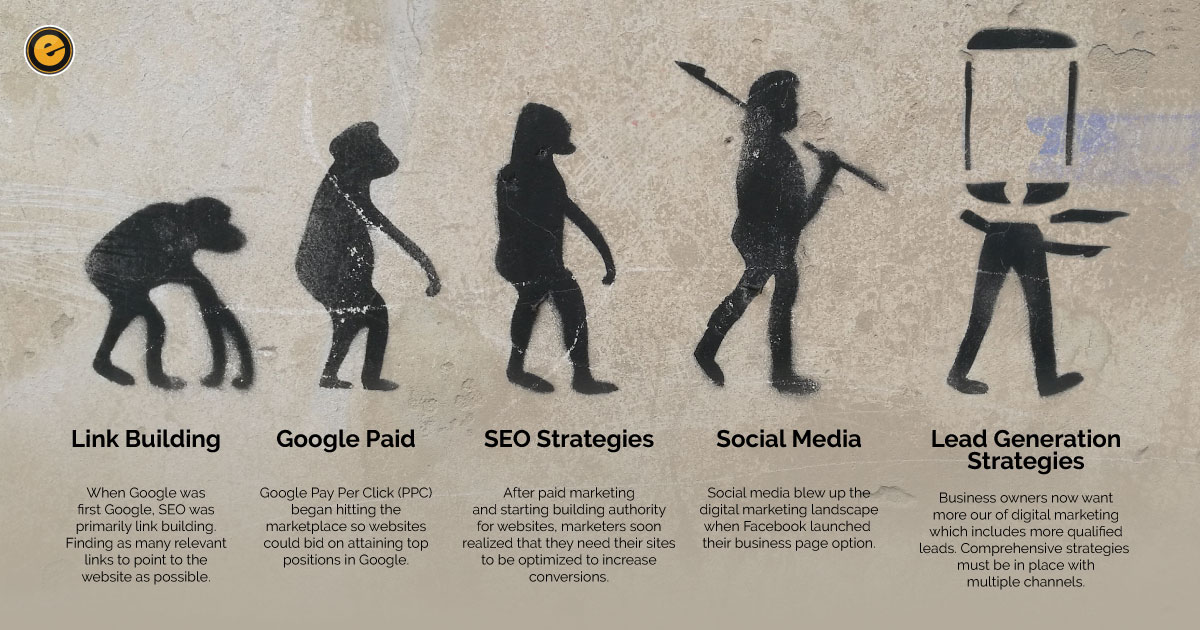
The Evolution of SEO and Social Media Digital Marketing Strategies
We’ve been doing search engine optimization (SEO) and digital marketing for over 12 years. Our team has been in it since Google and AOL Instant Messenger was all there was. Did I mention dial-up internet too? Yeah that used to be a thing.
Digital Marketing Platforms
When we first began doing SEO strategies, it was a hell of a lot easier than it is now. Back then, you didn’t have to worry about hundreds of different ranking factors or platforms for a website to be visible online.
Now, you have to think about Google Organic, Google Local, Google AdWords, Facebook Organic, Facebook Paid, Instagram Organic, Instagram Paid, LinkedIn Organic, LinkedIn Paid, Twitter Organic, Twitter Paid, and all their different algorithms. Each platform has a paid and organic option which requires its own strategy, since each audience is unique.
Within each platform, there are also different campaign types. With Facebook, you have a variety of options, including
Video views
Sign up for phone call
Messages
Website traffic
Devices
Platforms are just scratching the surface when it comes to how things have evolved online. When we first started, we only had to think about desktop computer users and their user behavior.
Now, online users aren’t even using their desktop. They’re on their mobile devices.
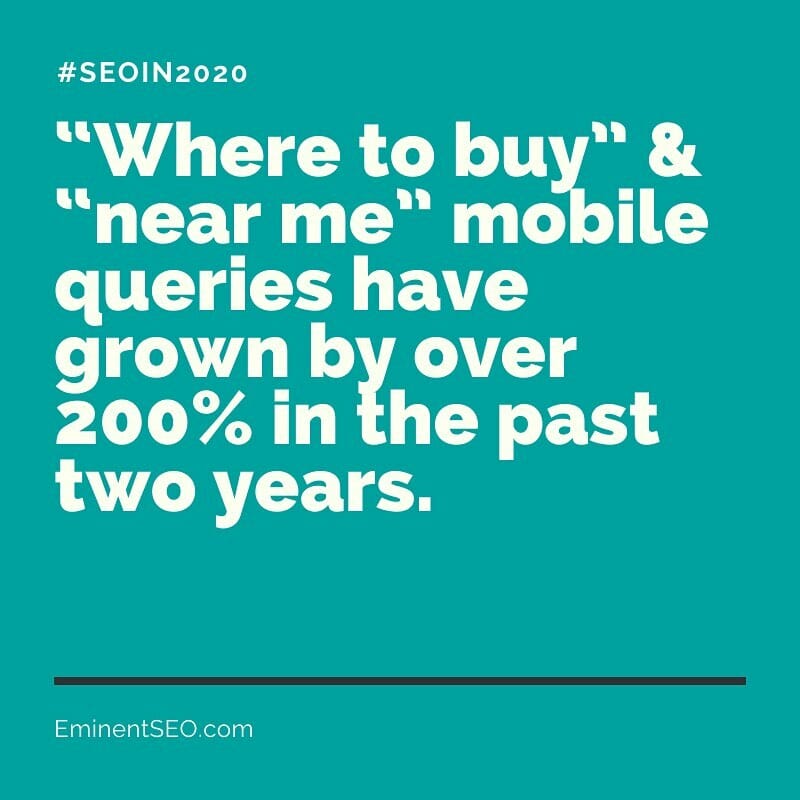
More users are searching for local services on their mobile devices than ever before. If your brand isn’t mobile-facing, then you’re falling short with your SEO.
Website User Experience
Back in the day, we didn’t take into consideration the website user experience. The entire website was focused on the keywords and getting as many of them on the site as possible to achieve top Google rankings.
Needless to say, that technique is way outdated, but we still see a lot of SEO companies doing this. A word of advice: These short-term strategies will only hurt your site in the long term.
Today’s digital marketing strategies focus heavily on website user experience and attracting user engagement. When your website content is high quality, personalized and easy to navigate, users will stay engaged with the site.
You Must Be Visible on All Platforms or Your Sales and Leads Will Suffer
In order to really grow your online leads, you need to consider all of these changes as well as all of the platforms your potential audiences live on.
“What if my audience isn’t on social media?”
We hear this so often from business owners. It’s completely inaccurate and makes me giggle every time I hear it.
Yes, your audience lives on social media. Yes, your audience is searching on Google. Why? Because EVERYONE is using social media and Google.
The Problem with Only Focusing on Organic Results
We are organic marketers, so we believe businesses should focus their marketing dollars on organic marketing first. However, with today’s algorithm shifts on Google and Facebook, you have to consider some paid ad budget.
Organic marketing alone takes time to see results. You can expect anywhere from 12 months to several years to see full results from organic marketing.
It’s not that it doesn’t work; it does work. Again, you’re only visible on the organic platforms though. Your business will not be visible in Google’s top paid ads or in Facebook’s newsfeed as often since those platforms allow paid ads to be at the top.
The Hybrid Approach: Organic Marketing Plus Paid Ads
The benefits of utilizing the hybrid paid and organic marketing approach include:
Your brand will receive visibility a lot faster.
Organic keyword rankings will increase much quicker.
Your website content will get much more visibility.
Social platforms will attract many followers within your targeted demographic.
Your content will be targeted to a specific audience and geographic area.
You’ll have the ability to test different landing pages for conversions.
You’ll increase your qualified leads much faster, since organic alone will take at least a year.
Why You Need Digital Assets for Marketing to Be Effective
Paid and organic marketing are essential to growing your brand. However, you still need to consider all of the different campaign types required in order to attract these qualified leads. That’s where quality content and digital assets come into play.
Digital assets are considered:
Videos
eBooks
Brochures
Media kits
Blog posts
Landing pages
Quizzes
Podcasts
Case studies
Email series
Your marketing won’t be as effective if you do not have engaging content to promote. Buyers today do not want to be sold. That’s why you develop assets for your ideal buyers and promote those assets through the various digital marketing channels.
Business Owners Are Focused on the Bottom Line: More Sales
If you’re a business owner, you know this is true. You don’t care what the marketing does, but you care how it impacts your business. The end goal isn’t to get more followers on Facebook; it is to achieve more sales to grow your business.
That’s a great goal to have, but where a lot of businesses fall short is considering this hybrid approach to their marketing. They don’t think they need paid ads, or they don’t think they need a high-quality website. Hate to break the news to you all, but that couldn’t be more untrue.
Think quality over quantity. You need to have a quality website with quality content to attract each buyer type within the various stages of the buyer’s journey. Otherwise, your marketing strategy is flawed and you won’t get the results you want.
Final Thoughts on the ‘Pay to Play’ Era
Your business has a huge opportunity to succeed with today’s digital marketing strategies. The tools are literally at your fingertips.
The landscape has changed dramatically throughout the years, and it requires a team of professionals to accomplish this task. It isn’t something to push aside or consider as a small tool for your business; it is the primary driving source of leads today.
Get on board with the changes, or risk not growing your business. It’s up to you, but it’s really that simple.
Eminent SEO provides strategic SEO campaigns with measurable results along with expert website design, development, pay per click, content and social media and organic website marketing. 800.871.4130.











 Search engine optimization has become a fairly standard concept in the world of digital marketing. Most business owners have at least heard of it, and the ones that are looking to grow their businesses and stay afloat in modern marketplaces employ it on their web platforms. Search engine optimization is a tool for ensuring your business gets ranked by Google and other search engines so that when users search for a business like yours, you make the list.
 Before we get into the nitty-gritty of how to choose the best digital marketing agency when looking for an SEO firm, it’s important to mention that SEO agencies should not be treated differently than any other business. You have to look at a business holistically and determine if it aligns with your company’s morals, standards, and outlook. It doesn’t matter what kind of work it does, if you don’t get a good impression from the company, if you feel put off by their team’s communication style, or just don’t like the personnel, it’s important to trust that instinct. Just because they have talent in an important area of the tech and marketing world doesn’t mean that you should ignore their behavior. Hold them to the same standards you would any vendor, B2B partner, or prospective employee.
 Now that we’ve gone over the question, “What makes a good marketing agency?” it’s time to discuss red flags to look for during your search. Sometimes an agency is overall not a good fit, and it’s easy to see that. Other times, an agency seems excellent overall but has one or two bad traits that should keep you looking.
 There’s not a magic formula for picking the best SEO agency for your business. Having to choose a firm for something that may be new to you can be overwhelming. However, marketing is marketing – and we’ve been doing that for years.




 This rings true for launching your own website and trying to get it to rank on search engines. Links from other websites are going to be crucial to helping you achieve the rankings you desire, no matter how great of a writer you might be.


 This is maybe the No. 1 question we have received over the last 13 years or so of doing SEO. And, the answer is always the same: It depends.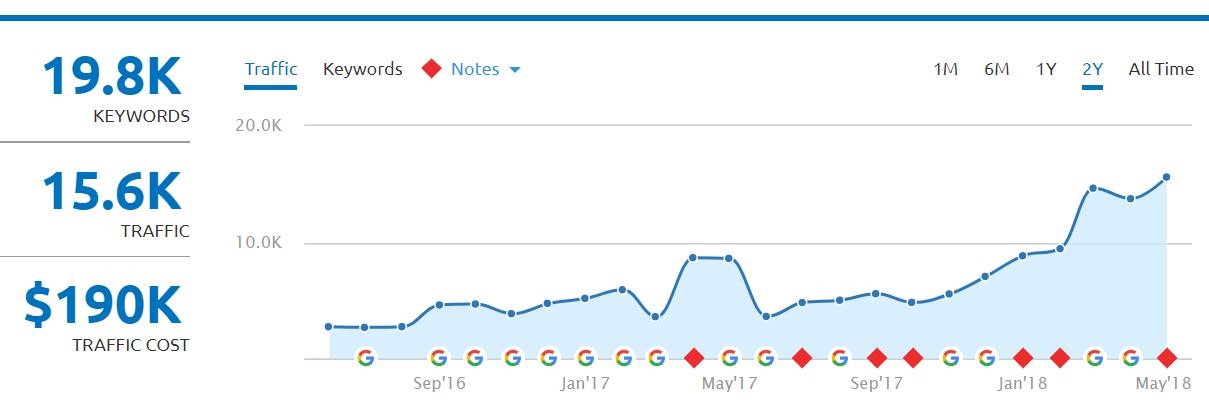
 vs. 2018: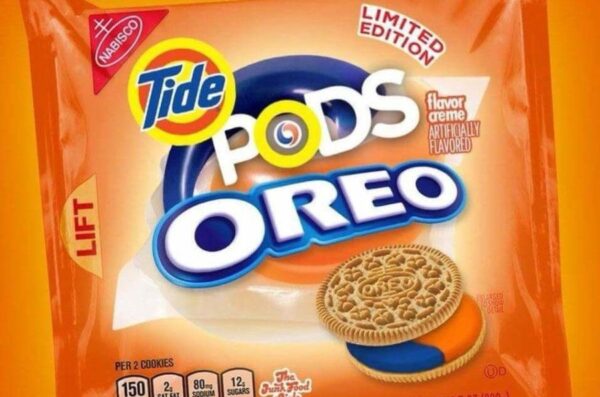
 We’ve been doing search engine optimization (SEO) and digital marketing for over 12 years. Our team has been in it since Google and AOL Instant Messenger was all there was. Did I mention dial-up internet too? Yeah that used to be a thing.