Summary:
This guide breaks down the major shifts shaping modern marketing and shows you how to adapt your strategy for stronger visibility, better customer experiences, and more consistent results. Learn what actually matters now and how to prioritize your efforts in 2026 and beyond.
The 2026 Digital Landscape Has Shifted (Again)
Marketing looks very different heading into 2026 than it did even a year ago. AI has matured fast, discovery patterns have splintered across search, social, and short-form video, and customer expectations keep rising. None of these shifts are coming someday. They are here, and they are already affecting how your audience finds you, evaluates you, and decides if they trust you.
If you read our Marketing for 2025 guide, you probably noticed how quickly the landscape continued to shift. This new article builds on that momentum and focuses on the long term changes shaping digital marketing today.
This updated guide is meant to cut through the noise and give you clarity on what actually matters right now. There are endless trend lists out there, but most of them are guesses. What you will find here is a practical roadmap based on the changes we are already seeing across our clients, campaigns, and industry data.
If you are planning your marketing for next year, or simply trying to stay ahead of what your competitors are doing, consider this your starting point. It will help you prioritize, focus on what drives results, and build a strategy that works no matter what new platform or tool shows up next.
AI Has Become the Core of Modern Marketing
AI is no longer a shiny new tool or something your team experiments with on the side. It has become the foundation of how modern marketing works. The brands that are growing right now have one thing in common. They are using AI to work smarter, make better decisions, and move faster than their competitors.
AI is improving almost every part of the marketing process. Content planning, writing support, research, audience insights, paid media optimization, reporting, and personalization are all more efficient when AI is involved. It is not about replacing your team. It is about giving your team better systems so they can spend more time on strategy, creativity, and the work that actually drives revenue.
If you have been waiting for the right moment to adopt AI, that moment has passed. The businesses that choose to hold off will continue to lose time and money to those who use AI to streamline production and tighten up operations.
How to put this into practice:
- Start with areas that drain the most time, like content outlines, drafts, and repetitive tasks.
- Use AI tools for insight gathering and reporting so your decisions are based on better data.
- Build simple workflows that improve consistency and reduce bottlenecks.
- Train your team so they understand both the benefits and the limitations.
AI is now the operating system that supports everything else. Once this foundation is in place, every other part of your marketing can improve faster.
Short Form Video Is Still Driving Discovery
Short form video continues to be one of the strongest ways for brands to get discovered. TikTok, Instagram Reels, and YouTube Shorts have changed how people search, learn, and make decisions. It is not just entertainment anymore. These platforms are where customers go to find answers, compare products, and understand which brands feel right for them.
What is interesting is how the production style has shifted. Highly polished, studio-level content is no longer what performs best. Lo fi, simple, human content wins because it feels real and relatable. People trust what feels genuine, not overly produced. This is true across industries, including B2B.
Short videos also carry more influence because they match how people consume content now. Fast, visual, digestible. Even when viewers watch on mute, well structured clips still tell a full story through captions, text overlays, and pacing.
If you want visibility, video needs to be part of your strategy. You do not have to dance or chase trends. You do need to show up consistently with helpful, honest, and easy to understand content.
How to put this into practice:
- Share short, practical insights or quick answers to common questions.
- Repurpose longer content into bite size clips.
- Keep your production simple and focus on clarity over perfection.
- Use captions and on screen text for sound off viewers.
- Test a mix of educational, behind the scenes, and customer centered videos.
Short form video is not going anywhere, and early adopters continue to see the strongest visibility across every platform.
Personalization and Customer Experience Matter More Than Ever
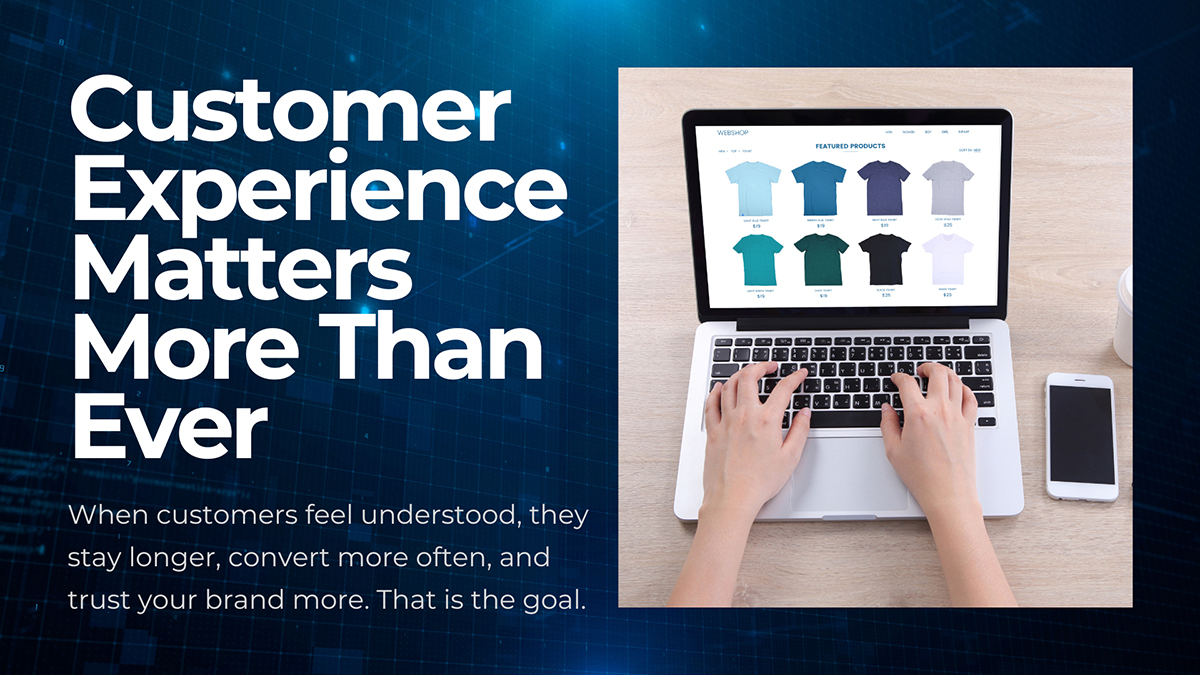
Customer expectations have changed. People want brands to understand who they are, what they need, and how to help them without making the process complicated. Personalization is no longer a nice addition. It is part of the experience customers expect.
AI has made true personalization possible at scale. Instead of broad segments or generic messaging, brands can now respond to real behavior and deliver content, product recommendations, and support that feels specific to each individual. This creates stronger engagement and improves conversions because the experience feels relevant.
Customer experience (CX) goes hand in hand with personalization. When people visit your site, interact with your social content, or reach out for support, they want the path forward to feel simple and intuitive. Interactive tools, smart chatbots, and clear navigation all help reduce friction and make it easier for customers to take the next step.
The brands that invest in personalization usually see immediate improvements in both satisfaction and performance. It is one of the most reliable ways to build trust and encourage repeat engagement.
How to put this into practice:
- Use AI to deliver content and recommendations based on actual user behavior.
- Improve chat and automated support so customers get quick, meaningful answers.
- Create interactive tools like quizzes, guides, or calculators that tailor the experience.
- Audit your customer journey and remove unnecessary steps.
- Continue testing to improve clarity, relevance, and ease of use.
When customers feel understood, they stay longer, convert more often, and trust your brand more. That is the goal.
Authenticity Has Become the Foundation of Trust
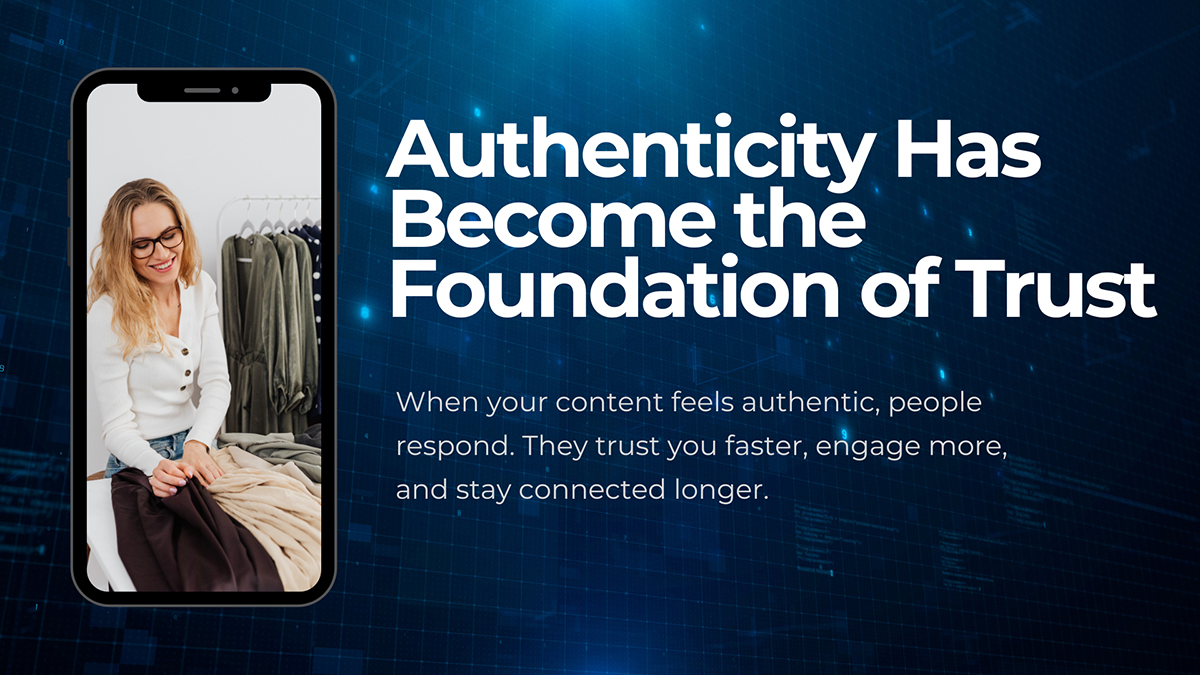
Customers are tired of overly polished marketing. They want real experiences, real opinions, and real people behind the brands they choose. Authenticity has shifted from a trend to a requirement, and the brands that embrace it are the ones building the strongest trust and the most loyal communities.
User generated content, micro influencers, casual behind the scenes clips, and honest reviews consistently outperform traditional branded content. People trust content that feels natural and human because it reflects how they discover and validate information in their daily lives.
Authenticity does not mean being unprofessional. It means being transparent, relatable, and willing to show the real value your brand delivers. It means speaking in a clear voice, not hiding behind overly polished marketing language, and letting your audience see how your business actually works.
This shift has created new opportunities for brands of every size. You no longer need a massive production budget to create meaningful impact. You need consistency, honesty, and content that feels like it was made for real people, not algorithms.
How to put this into practice:
- Add UGC or micro influencer content to your marketing mix.
- Share behind the scenes moments, team stories, or real client outcomes.
- Encourage reviews and make it easy for customers to share their experience.
- Use a conversational tone that reflects your brand’s personality.
- Focus on clarity and value over perfection.
When your content feels authentic, people respond. They trust you faster, engage more, and stay connected longer.
Search Has Evolved and SEO Needs to Evolve With It

Search is no longer a single experience. People are discovering brands through a mix of traditional search, social platforms, AI assistants, images, voice, and short form video. The way customers find information has changed, which means the way brands show up has to change too.
Google is still important, but it is no longer the only place people search. TikTok and Instagram have become major discovery engines. AI platforms like ChatGPT, Gemini, and Perplexity are now delivering answers directly, without sending users to a website. People search with screenshots. They search with questions. They search inside their favorite apps.
This shift means SEO is more about visibility across environments than about ranking one page for one keyword. Your brand needs to be clear, consistent, and easy to understand no matter where someone encounters you. Strong messaging, conversational content, entity signals, and platform native formats matter more than ever.
Brands that adapt to the way people search now have a major advantage. They create content that feels natural across multiple channels, which increases their chances of being discovered and recommended.
How to put this into practice:
- Optimize for conversational queries, not just keyword phrases.
- Build content in multiple formats like short video, visuals, and FAQs.
- Strengthen your brand signals with clear messaging, bios, reviews, and citations.
- Pay attention to social search trends in your industry.
- Create helpful, platform native content that matches how people consume information.
Visibility in 2026 comes from showing up clearly and consistently wherever your customers are searching, not just in one place.
Social Commerce Is Becoming a Core Revenue Channel
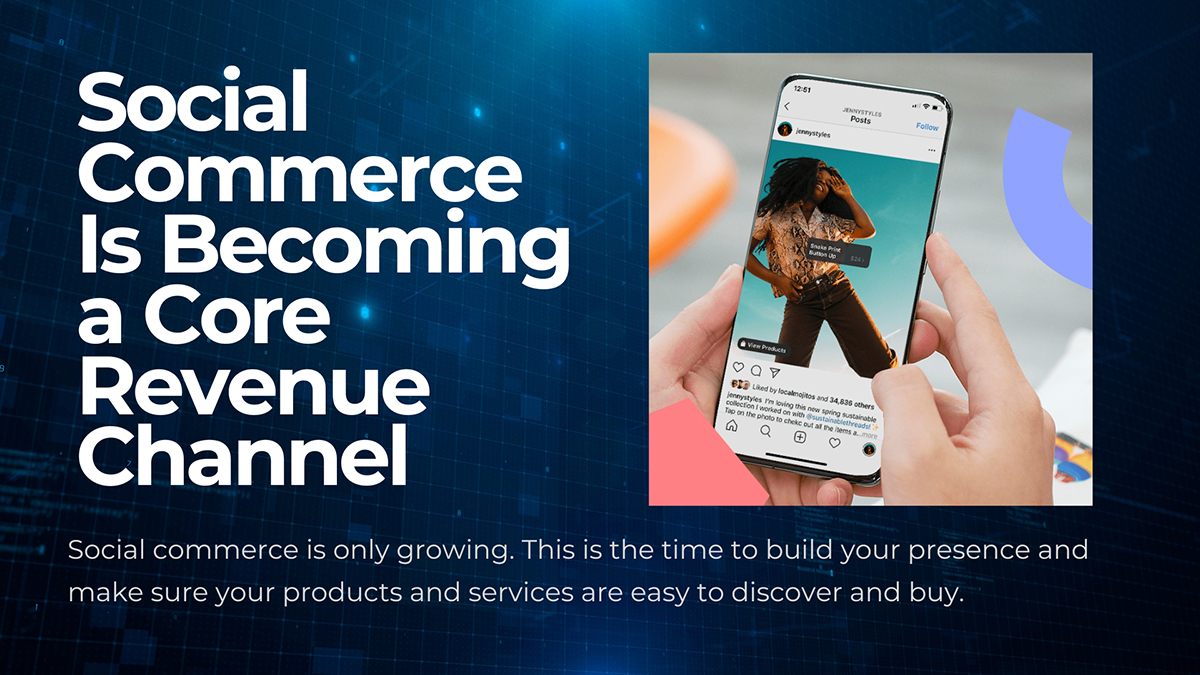
Buying directly inside social platforms is no longer a niche behavior. It has become a normal part of the customer journey. People browse, compare, and make purchasing decisions without ever leaving the app. This shift has turned platforms like Instagram, TikTok, and Pinterest into full shopping environments where discovery and conversion happen side by side.
Social commerce works because it reduces friction. Customers do not have to jump between tabs, deal with slow sites, or search for product details. They see something they like, tap to learn more, and can often purchase within seconds. The entire experience feels seamless.
Creators and influencers are also playing a much bigger role. People trust recommendations from real humans more than they trust ads. When creators show a product in action, it becomes easier for buyers to imagine how it fits into their own lives. This type of content continues to outperform traditional brand messaging.
For many businesses, social commerce now acts as a second storefront. When done well, it can drive meaningful sales, improve brand visibility, and shorten the path to purchase.
How to put this into practice:
- Set up platform native storefronts on Instagram, TikTok, and Pinterest.
- Improve your product feeds with clear descriptions and strong visuals.
- Build trust signals through reviews, UGC, and creator partnerships.
- Create simple content that shows your product or service in action.
- Keep the buying path fast and friction free.
Social commerce is only growing. This is the time to build your presence and make sure your products and services are easy to discover and buy.
Immersive Content Is Moving Into the Mainstream

Interactive and immersive content is no longer limited to big brands with big budgets. AR try ons, 3D product demos, virtual walkthroughs, and other interactive experiences are showing up everywhere because they help customers make decisions faster. People want to see how something works, how it fits, or how it looks before they commit, and immersive tools make that possible.
These experiences are especially powerful for eCommerce, education driven services, and any brand that needs to show value visually. They give customers a clearer understanding of what they are getting, which reduces hesitation and builds confidence. Even simple AR or interactive elements can make a noticeable difference in engagement and conversions.
You do not need to build a full VR world to benefit from this shift. Small additions, like a 360 degree view of a product or a quick interactive tool that helps customers choose the right option, can elevate the experience and set your brand apart.
How to put this into practice:
- Use AR or 3D views to help customers explore products more easily.
- Offer virtual demos or walkthroughs to show your services in action.
- Add simple interactive tools to guide customers through choices.
- Highlight real use cases or environments to make your value clear.
- Start small and expand as you see results.
Immersive content helps customers understand your offering faster and feel more confident about taking the next step. It is one of the most effective ways to make your digital experience more memorable and more helpful.
Sustainability and Ethics Are Influencing Buying Decisions

Customers are paying closer attention to the values behind the brands they choose. They want to know how products are made, how companies operate, and whether the business aligns with what matters to them. Sustainability, ethical practices, and transparency are no longer side notes. They have become determining factors in purchase decisions across many industries.
This shift is not just about being eco-friendly. It is about showing responsibility and building trust. Customers want honesty about materials, sourcing, pricing, and business practices. They want to know that what they buy reflects their values and supports companies that operate with integrity.
Brands that communicate clearly and follow through on their commitments stand out. Those that ignore this expectation or treat sustainability as a marketing angle often lose trust quickly.
You do not need a full sustainability program to participate in this shift. You do need to be transparent about what you are doing, what you value, and how you make decisions. Being open and consistent goes a long way.
How to put this into practice:
- Share your values and explain how they show up in your products or services.
- Highlight any sustainability efforts, even small ones.
- Be transparent about sourcing, materials, processes, or pricing.
- Avoid vague claims that cannot be backed up.
- Focus on clarity and honesty rather than perfection.
If you want inspiration for responsible brand expression, here is a helpful guide on sustainable design.
Values driven marketing is becoming a competitive advantage. When customers see alignment, trust increases and relationships strengthen.
How These Marketing Shifts Work Together
Each of these changes is significant on its own, but the real impact comes from how they connect. AI speeds up production and helps you understand your audience. Short form video improves discovery and shows the human side of your brand. Personalization creates a smoother customer journey. Authentic content builds trust. Evolving search changes how people find information. Social commerce shortens the path to purchase. Immersive tools help customers make decisions faster. Values and transparency strengthen loyalty.
None of these shifts exist in isolation. They are shaping a more integrated and intuitive digital experience. Customers want information quickly. They want it in multiple formats. They want to feel confident that they are choosing the right brand. The businesses that grow in this environment are the ones that bring these pieces together in a clear, consistent way.
This is why your strategy matters. When your content, your messaging, and your customer experience all work together, everything becomes easier. You attract the right people, your visibility improves, and your marketing becomes more efficient across every channel.
How to put this into practice:
- Build systems that connect your content, SEO, and customer journey.
- Look for opportunities to repurpose content across formats and platforms.
- Use AI to support consistency and speed without losing your voice.
- Make sure your messaging is clear across every touchpoint.
- Focus on long term clarity, not one off tactics.
When you see these shifts as part of a larger ecosystem, it becomes much easier to prioritize what matters and build a strategy that works in the long run.
How to Prioritize These Shifts in Your Own Strategy
Not every business needs to implement everything at once. The goal is not to chase every trend. It is to decide what matters most for your brand and build a plan that supports sustainable growth.
These shifts create a helpful framework for prioritizing your next steps.
Start with the foundation.
Focus on your messaging, your search visibility, and your ability to produce consistent content. AI can help you speed up production, improve quality, and make better strategic decisions. This is the base layer that supports everything else.
Next, invest in how people discover you.
Short form video, social content, and conversational SEO help new customers find you across the platforms they are already using. These channels are where attention is highest, and they often create the strongest early wins.
Then, improve the experience.
Once you are attracting the right audience, personalization and customer experience become the next priority. This is where you reduce friction, increase conversions, and build long term trust.
Expand into immersive and values driven content as you grow.
Interactive tools, AR demos, sustainability messaging, and deeper storytelling help you stand out in competitive markets. These elements elevate your brand and build stronger loyalty.
Every business will move through these steps at a different pace, but the pattern stays the same. Start with clarity and consistency. Build systems that support growth. Then expand into the areas that help your brand connect more deeply with your audience.
If you are not sure where to start, begin with your foundation. Everything gets easier from there.
Making These Marketing Trends Work for You
Digital marketing is evolving quickly, but the core goal has not changed. You want to reach the right people, communicate clearly, and create an experience that makes it easy for customers to choose you. The shifts happening now are simply giving us new and better ways to do that.
The brands that win in this environment are the ones that stay flexible, focus on clarity, and build systems that support long term growth. You do not need to master every trend. You do need to understand how these changes are shaping customer behavior and decide which ones make the most sense for your strategy.
If you approach these shifts with intention, you will not be playing catch up next year. You will be ahead of the curve and building momentum that lasts.
If you want support refining your digital strategy or identifying the highest impact opportunities for your brand, we can help.
You can schedule a call or request a free audit here: